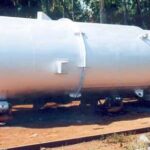
Warm-up Vent Silencer Manufacturer in Malaysia
What Is a Turbine Warm-Up Vent Silencer?
A Turbine Warm-Up Vent Silencer is a specialized noise attenuation device installed on turbine vent lines used during startup and warming operations. Its purpose is to reduce the noise generated by steam discharge while allowing controlled venting of steam from the turbine system.
These silencers are designed to handle high-temperature steam, fluctuating operating conditions, and frequent startup cycles without compromising performance.
Why Is Turbine Warm-Up Necessary?
Before a steam turbine can reach normal operating conditions, its casing, rotor, and associated piping must be heated gradually. Rapid temperature changes can lead to:
- Thermal distortion of turbine components
- Excessive expansion differentials
- Rotor rubbing and vibration issues
- Reduced equipment life
- Startup reliability concerns
Warm-up venting allows operators to control steam flow and temperature while safely removing condensate and non-condensable gases from the system.
The Noise Challenge
Steam venting during turbine warm-up can produce extremely high sound levels due to:
- High steam velocity
- Pressure drop across vent valves
- Turbulent flow conditions
- Atmospheric discharge
Without adequate silencing, noise levels may exceed 130–140 dBA, creating risks for plant personnel and surrounding areas.
How Does a Turbine Warm-Up Vent Silencer Work?
The silencer reduces noise through a combination of pressure reduction and acoustic attenuation.
Pressure Control
Steam passes through engineered diffuser elements that divide the pressure drop into multiple stages, reducing flow velocity and minimizing turbulence.
Acoustic Attenuation
Specially designed chambers absorb and dissipate sound energy generated by the expanding steam.
Controlled Exhaust
The steam is discharged to the atmosphere with significantly lower noise levels while maintaining acceptable system back pressure.
Key Design Considerations
Steam Conditions
The silencer must be designed based on:
- Steam pressure
- Steam temperature
- Vent flow rate
- Venting duration
Noise Requirements
Most facilities specify target noise levels between 85 and 90 dBA at a defined distance from the silencer.
Thermal Performance
Since warm-up operations involve repeated heating and cooling cycles, the silencer must accommodate thermal expansion and contraction.
Structural Integrity
The design must withstand:
- Dynamic vent forces
- Wind loads
- Seismic requirements (where applicable)
- Long-term cyclic operation
Typical Applications
Turbine warm-up vent silencers are widely used in:
- Coal-fired power plants
- Combined cycle power plants
- Biomass power plants
- Cogeneration facilities
- Industrial steam turbine installations
- Refinery and petrochemical plants
Benefits of Turbine Warm-Up Vent Silencers
Improved Personnel Safety
Significantly reduces exposure to hazardous noise levels during startup activities.
Enhanced Equipment Protection
Supports controlled turbine heating and reduces the risk of thermal stress-related damage.
Environmental Compliance
Helps facilities meet plant and regulatory noise requirements.
Reliable Startup Operations
Facilitates smooth turbine warm-up procedures and improves operational flexibility.
Reduced Community Impact
Minimizes noise disturbances in nearby residential and industrial areas.
Projects Similar to Malaysia Requirements
- Power plant safety valve vent silencer
- Petrochemical steam blowing silencer
- Gas turbine exhaust silencer
- Engine exhaust silencer
Similar warm-up vent silencer we served in other country
- Singapore
- Indonesia
- Thailand
- Vietnam
- Philippines
- Brunei
Choosing the Right Turbine Warm-Up Vent Silencer
Selecting the appropriate silencer requires a detailed evaluation of operating conditions, acoustic targets, and installation constraints. Custom-engineered solutions are often preferred to ensure optimal performance, durability, and compliance with project specifications.
Factors such as steam flow rate, pressure, temperature, venting frequency, and available installation space all influence the final design.
Conclusion
Turbine warm-up vent silencers play a vital role in modern power generation facilities by enabling safe, controlled, and quiet startup operations. By reducing steam venting noise, protecting personnel, and supporting reliable turbine performance, these systems contribute significantly to overall plant efficiency and operational excellence.
As power plants continue to demand higher reliability and stricter environmental compliance, turbine warm-up vent silencers remain an indispensable part of the startup steam management system.