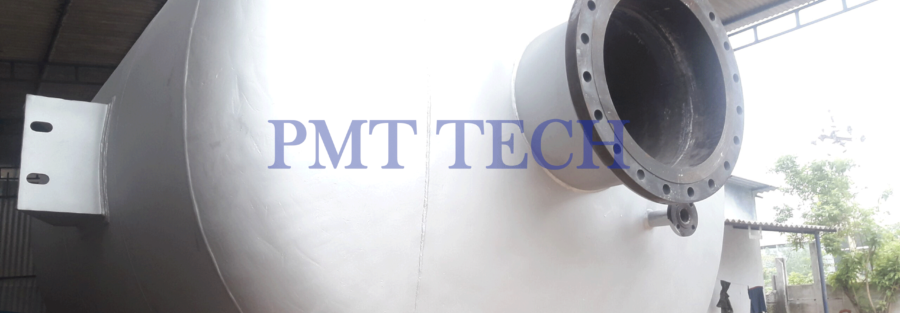
Case Study: 420 TPH Steam Blowing Silencer for Thermal Power Plant Commissioning
Project Overview
Project Name: 420 TPH Steam Blowing Silencer System
Industry: Power Generation
Application: Boiler and Main Steam Line Cleaning During Commissioning
Capacity: 420 Tons Per Hour (TPH) Steam Flow
Location: Thermal Power Plant Project
Project Duration: 10 days (Engineering, Fabrication, and Deployment)
Background
During the commissioning phase of a new thermal power plant, the main steam piping system required steam blowing to remove welding slag, scale, debris, and foreign particles before turbine synchronization. Steam blowing generates extremely high-velocity steam and noise levels that can exceed 140 dBA, posing risks to personnel, nearby communities, and equipment.
The plant owner sought a reliable silencer solution capable of handling a steam flow rate of 420 TPH while ensuring effective noise attenuation, structural integrity, and compliance with environmental regulations.
Challenges
- High Steam Flow and Energy
- Steam flow: 420 TPH
- Steam temperature: approximately 540°C
- High discharge velocity and kinetic energy
- Extreme Noise Levels
- Predicted unsilenced noise level: 155–160 dBA
- Regulatory target: below 110dBA at designated measurement locations
- Thermal and Mechanical Stress
- Exposure to elevated temperatures
- Rapid pressure fluctuations during steam blowing cycles
- Significant thermal expansion
- Tight Commissioning Schedule
- Limited time available before turbine commissioning
- Requirement for rapid fabrication and installation
Solution
A custom-engineered steam blowing silencer was designed and deployed with the following features:
Advanced Diffuser System
- Multi-stage pressure reduction
- Controlled steam expansion
- Reduced discharge velocity
Acoustic Attenuation Design
- High-performance sound absorption chambers
- Optimized flow path to minimize noise generation
- Engineered discharge stack configuration
Robust Mechanical Construction
- High-temperature carbon steel construction
- Reinforced shell and internal components
- Designed for cyclic thermal loading
Structural Support System
- Heavy-duty support frame
- Thermal expansion allowances
- Wind and dynamic load resistance
Engineering Highlights
Parameter | Value |
Steam Flow Rate | 420 TPH |
Operating Temperature | 540°C |
Steam Pressure | 120 bar (typical) |
Noise Reduction Achieved | >55 dBA |
Final Noise Level | <110 dBA |
Silencer Weight | Approx. 10Tons |
Design Standard | ASME B31.1 / ASME Section VIII |
Project Execution
Engineering Phase
- Flow analysis and pressure-drop calculations
- Acoustic modeling
- Structural and thermal stress analysis
- Fabrication drawing preparation
Fabrication Phase
- Material procurement
- Welding and assembly
- Non-destructive testing (NDT)
- Quality inspections
Site Deployment
- Transportation to site
- Installation and alignment
- Connection to temporary steam blowing line
- Pre-commissioning inspection
Results
Operational Performance
- Successfully handled full 420 TPH steam load.
- Maintained stable operation throughout steam blowing activities.
- No structural deformation or internal damage observed.
Noise Compliance
- Noise levels reduced from approximately 155 dBA to below 105 dBA.
- Improved safety for operating personnel.
- Compliance with plant environmental requirements.
Schedule Achievement
- Delivered within project timeline.
- Supported successful turbine commissioning.
- Avoided delays to commercial operation date.
Benefits to the Client
Safety Improvement
Reduced exposure of personnel to hazardous noise levels and high-energy steam discharge.
Environmental Compliance
Met project-specific noise control requirements and minimized impact on surrounding areas.
Asset Protection
Protected nearby equipment and instrumentation from excessive vibration and acoustic energy.
Reliable Commissioning
Enabled efficient steam blowing and piping system cleaning, contributing to a smooth plant startup.
Conclusion
The 420 TPH Steam Blowing Silencer Project demonstrated the successful integration of acoustic engineering, thermal design, and structural analysis to support critical power plant commissioning activities. By delivering substantial noise reduction, operational reliability, and schedule adherence, the project played a vital role in achieving safe and efficient plant startup while meeting stringent engineering and environmental standards.
Key Outcome: Noise reduced by more than 55 dBA while safely managing a 420 TPH high-pressure steam discharge during commissioning operations.