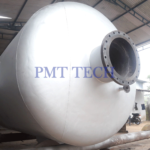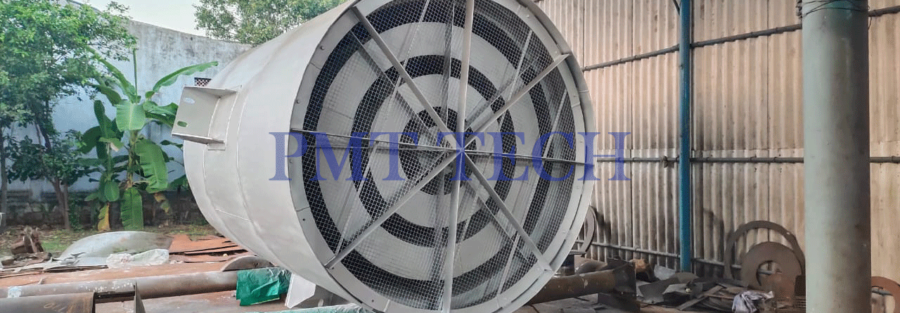
Steam blowing Silencer Manufacturer in India
Steam blowing is one of the most critical activities during the commissioning of thermal power plants, refineries, and large industrial boiler systems. It is performed to clean internal piping by removing weld slag, rust, and debris before the system is connected to sensitive equipment such as steam turbines.
However, steam blowing involves the release of high-pressure, high-temperature steam at extremely high velocity—resulting in severe noise levels that can pose safety risks and environmental concerns. A Steam Blowing Silencer is therefore an essential temporary or semi-permanent device used to control noise during this operation.
What Is a Steam Blowing Silencer?
A Steam Blowing Silencer is a high-capacity acoustic device designed to reduce the intense noise generated during steam blowing operations. It is installed at the discharge end of the steam piping system where steam is vented to the atmosphere.
Its primary function is to:
- Reduce aerodynamic noise generated by high-velocity steam
- Safely dissipate steam energy
- Protect personnel and surrounding equipment
- Ensure compliance with environmental noise regulations
Why Is Steam Blowing Required?
Before commissioning a steam turbine or process system, internal piping must be cleaned to remove:
- Welding slag
- Rust and scale
- Construction debris
- Foreign particles
Noise Challenges in Steam Blowing
Steam blowing generates some of the highest noise levels in industrial operations, often exceeding:
- 140–150 dBA near the discharge point
This is due to:
- Extreme pressure drop
- Supersonic steam velocity
- Shock wave formation
- Turbulent mixing with atmospheric air
Without proper silencing, such noise levels are hazardous even at significant distances.
How Does a Steam Blowing Silencer Work?
Steam blowing silencers use a combination of pressure reduction and acoustic attenuation techniques:
Multi-Stage Expansion
Steam is passed through specially designed diffuser stages that gradually reduce pressure and velocity.
Flow Distribution
The steam flow is split into multiple paths to minimize turbulence and shock formation.
Acoustic Absorption
Sound energy is dissipated using internal chambers and specially engineered baffles.
Controlled Exhaust
Steam is released safely into the atmosphere with significantly reduced noise levels.
Key Design Considerations
Designing a steam blowing silencer requires careful engineering analysis of multiple parameters:
Steam Flow Capacity
High-capacity systems can handle flows such as:
- 200 TPH to 1000+ TPH depending on plant size
Pressure and Temperature
Typical operating conditions include:
- High-pressure steam (100–180 bar)
- High temperature (500–550°C)
Noise Reduction Requirement
Most projects aim to reduce noise to:
- 85–90 dBA at specified distance
Back Pressure Control
The silencer must not create excessive back pressure that could affect cleaning efficiency.
Structural Strength
The system must withstand:
- Thermal expansion
- Dynamic thrust loads
- High-velocity steam forces
- Wind and seismic loads
Applications of Steam Blowing Silencers
Steam blowing silencers are widely used in:
Thermal Power Plants
- Boiler main steam line cleaning
- Reheater and superheater lines
Combined Cycle Power Plants
- HRSG steam system cleaning
- Turbine inlet piping preparation
Refineries and Petrochemical Plants
- Process steam line commissioning
- Utility steam systems
Industrial Boiler Systems
- Large-scale steam distribution networks
- High-pressure piping systems
Benefits of Steam Blowing Silencers
Improved Safety
Reduces exposure of personnel to dangerous noise levels during commissioning.
Environmental Compliance
Helps meet regulatory noise limits for industrial operations.
Equipment Protection
Minimizes vibration and acoustic stress on nearby equipment.
Efficient Commissioning
Enables controlled steam blowing without operational disruptions.
Reduced Community Impact
Limits noise pollution in surrounding areas during startup activities.
Temporary Yet Critical Equipment
Although steam blowing silencers are often temporary installations, they are engineered for extremely demanding conditions. Many units are designed for repeated use across multiple projects, making them valuable assets for EPC contractors and commissioning teams.
Conclusion
Steam blowing silencers play a vital role in ensuring safe, efficient, and compliant commissioning of power plants and industrial steam systems. By significantly reducing noise generated during high-energy steam discharge, these systems protect personnel, safeguard equipment, and support smooth project execution.
In modern high-capacity plants—such as those handling 420 TPH or higher steam flows—a well-designed steam blowing silencer is not just an accessory but a critical commissioning requirement.