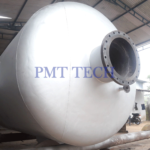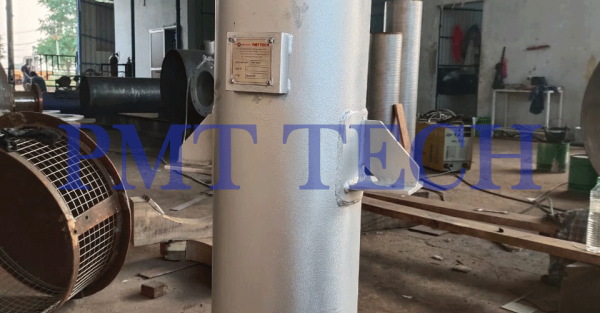
Autoclave Vent Silencer Supplier in UAE
Steam ejectors and autoclaves are widely used across industries such as pharmaceuticals, healthcare, food processing, chemical manufacturing, and power generation. While these systems play a critical role in vacuum generation, sterilization, and process operations, they often produce significant noise during steam discharge.
A Steam Ejector Silencer or Autoclave Silencer is specifically designed to reduce exhaust noise, improve workplace safety, and ensure compliance with occupational and environmental noise standards.
Understanding Steam Ejectors and Autoclaves
Steam Ejectors
Steam ejectors use high-pressure steam to create a vacuum by entraining and removing gases from a process system. They are commonly found in:
- Chemical plants
- Refineries
- Power plants
- Vacuum distillation units
- Evaporation systems
The high-velocity steam discharged from ejectors can generate considerable noise, particularly during continuous operation.
Autoclaves
Autoclaves are pressure vessels used for sterilization, curing, and material processing. They are extensively used in:
- Pharmaceutical manufacturing
- Hospitals and laboratories
- Food processing facilities
- Composite material production
During depressurization and venting cycles, autoclaves release steam rapidly, producing high noise levels that can affect operators and nearby work areas.
Why Is Noise Generated?
The primary source of noise is the rapid expansion of steam as it exits the system and enters atmospheric conditions.
Factors contributing to noise include:
- High steam velocity
- Pressure differentials
- Turbulent flow
- Flashing and expansion effects
- Vent valve operation
Depending on operating conditions, discharge noise can exceed 100–130 dBA, requiring effective noise control measures.
What Is a Steam Ejector or Autoclave Silencer?
A silencer is an engineered acoustic device installed on the exhaust or vent outlet to attenuate noise generated by steam discharge.
The silencer reduces sound levels while allowing unrestricted flow and maintaining process efficiency.
How Do Steam Exhaust Silencers Work?
Diffusion and Expansion
The incoming steam is distributed through specially designed diffuser elements that reduce velocity and turbulence.
Acoustic Attenuation
Internal chambers absorb and dissipate sound energy generated by steam flow.
Controlled Venting
The steam exits the silencer at significantly lower noise levels while maintaining acceptable pressure conditions.
Benefits of Steam Ejector and Autoclave Silencers
Improved Workplace Safety
Lower noise levels reduce operator exposure to potentially harmful sound pressure levels.
Regulatory Compliance
Helps facilities comply with occupational noise standards and environmental regulations.
Enhanced Operator Comfort
Creates a quieter working environment in production and processing areas.
Equipment Protection
Reduces vibration and acoustic energy that may affect nearby equipment and instrumentation.
Process Reliability
Designed to provide effective noise reduction without interfering with ejector or autoclave performance.
Design Considerations
A properly engineered silencer requires detailed process information, including:
Steam Flow Rate
The maximum exhaust flow determines the silencer size and acoustic design.
Operating Pressure
Higher pressure differentials generally produce higher noise levels and require enhanced attenuation.
Temperature
Materials must withstand elevated steam temperatures and repeated thermal cycling.
Noise Reduction Requirements
Typical projects aim to reduce noise levels to between 80 and 90 dBA, depending on plant specifications.
Installation Constraints
Available space, orientation, and connection details influence the final silencer configuration.
Applications Across Industries
Pharmaceutical Industry
- Sterilization autoclaves
- Cleanroom processing systems
- Batch production equipment
Healthcare Facilities
- Hospital sterilization units
- Central sterile services departments
Food and Beverage Industry
- Sterilization equipment
- Retort systems
- Process vessels
Chemical and Petrochemical Plants
- Steam ejector vacuum systems
- Process vent applications
- Utility steam systems
Power Generation
- Steam ejector exhaust systems
- Condenser vacuum equipment
Selecting the Right Silencer
The effectiveness of a steam ejector or autoclave silencer depends on accurate process data and acoustic analysis. Factors such as steam pressure, flow rate, venting frequency, target noise levels, and environmental conditions must be considered during the design process.
Custom-engineered silencers typically provide the best balance between noise reduction, durability, and operational efficiency.
Conclusion
Steam ejector and autoclave silencers are essential solutions for managing noise generated by high-velocity steam exhaust systems. By reducing sound levels, improving workplace safety, and supporting regulatory compliance, these silencers help facilities operate more efficiently and responsibly.
Whether installed on a pharmaceutical autoclave, industrial sterilizer, or steam ejector vacuum system, a properly designed silencer delivers long-term acoustic performance while maintaining process reliability.