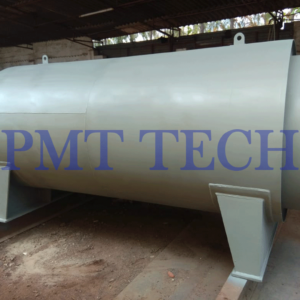
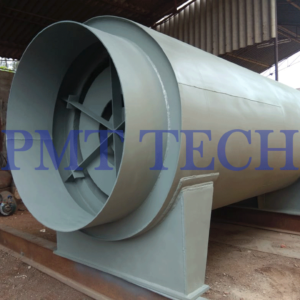
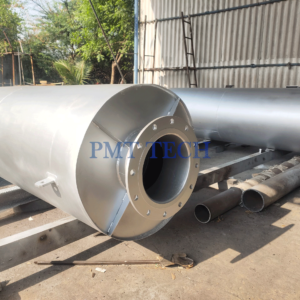
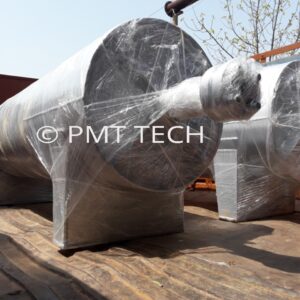
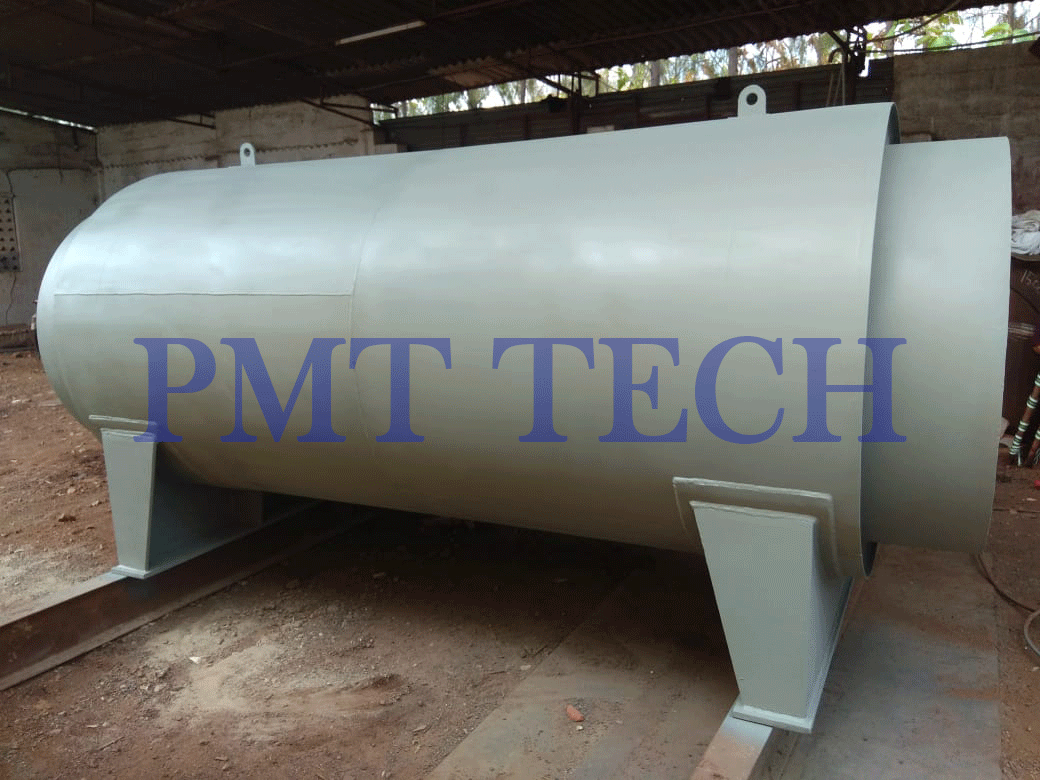
Compressor Sliencer
Advanced Noise Control System for Compressors and Blowers
Overview
Compressor Silencers are engineered acoustic devices designed to reduce aerodynamic and mechanical noise generated by industrial compressors, blowers, and process gas handling systems. Compressor noise is primarily produced by high-velocity airflow, pressure pulsations, turbulence, and rotating mechanical components.
Industrial compressors and blowers operating at high rotational speeds can generate significant broadband noise that may exceed occupational and environmental noise limits. Compressor silencers are designed to attenuate these noise levels while maintaining optimized airflow performance and minimal pressure loss.
Our compressor silencers are suitable for:
- Centrifugal Compressors
- Axial Compressors
- Positive Displacement Blowers
- Roots Blowers
- Industrial Process Blowers
- Air and Gas Handling Systems
Working Principle
The compressor silencer operates by reducing sound energy generated during suction, compression, discharge, and bypass venting processes.
Noise attenuation is achieved through a combination of:
Reactive Attenuation
Designed to suppress low-frequency pulsation noise caused by pressure fluctuations and rotating compressor elements.
Absorptive Attenuation
High-performance acoustic absorption materials attenuate medium and high-frequency aerodynamic noise generated by turbulent airflow.
Flow Conditioning
Internal aerodynamic flow paths help stabilize airflow, reduce turbulence, and minimize pressure losses.
The silencer geometry is optimized to achieve:
- Maximum acoustic attenuation
- Low pressure drop
- Uniform flow distribution
- Stable process performance
Compressor Noise Sources
The noise generated by centrifugal and axial compressors is influenced by:
- Rotational speed
- Flow velocity
- Volume flow rate
- Pressure pulsations
- Turbulence within ducts and piping systems
Proper silencer selection depends on acoustic frequency analysis and operating process conditions.
Silencer Configurations
Suction Silencer
Installed upstream of the compressor inlet to reduce intake noise and airborne sound transmission entering the compressor system.
Features:
- Low inlet pressure loss
- Optimized airflow distribution
- Effective intake noise attenuation
- Flow stabilization
Discharge Silencer
Installed downstream of the compressor outlet to attenuate discharge pulsation noise and high-velocity gas flow noise.
Features:
- High-pressure resistant construction
- Pulsation attenuation
- Aerodynamic flow design
- Reduced transmitted exhaust noise
Blow-off / Vent Silencer
Installed in bypass or vent lines to reduce high-intensity noise generated during pressure relief or blow-off operations.
Features:
- High-capacity vent handling
- Pressure let-down diffuser systems
- High-temperature acoustic sections
- Severe-duty operation capability
Design Features
- Heavy-duty industrial construction
- Low pressure drop aerodynamic design
- High acoustic attenuation performance
- Reactive and absorptive acoustic sections
- Reinforced casing with structural stiffeners
- Corrosion-resistant internal components
- Removable acoustic elements for maintenance
- Suitable for continuous-duty operation
- Compact and custom-engineered configurations
Engineering Design Parameters
Each silencer is custom designed based on:
- Gas flow rate
- Operating pressure and temperature
- Compressor type and speed
- Allowable pressure drop
- Required insertion loss
- Gas composition
- System layout and piping arrangement
Acoustic and aerodynamic calculations are performed to ensure optimal silencer performance without affecting compressor efficiency.
Applications
Compressor silencers are widely used in:
- Power Plants
- Petrochemical Facilities
- Refineries
- Fertilizer Plants
- Steel Plants
- Cement Plants
- Oil & Gas Installations
- Process Industries
- Pneumatic Conveying Systems
- Industrial Air Compression Systems
Design Standards
Design and manufacturing can be performed in accordance with:
- ASME Section VIII Division 1
- ASME B31.1 / B31.3
- Industrial Acoustic Standards
- API and Process Industry Specifications
Performance Advantages
- High noise attenuation efficiency
- Minimal pressure drop
- Improved system acoustic performance
- Robust and vibration-resistant construction
- Long operational life
- Low maintenance requirements
- Customized engineering solutions
- Suitable for indoor and outdoor installations